
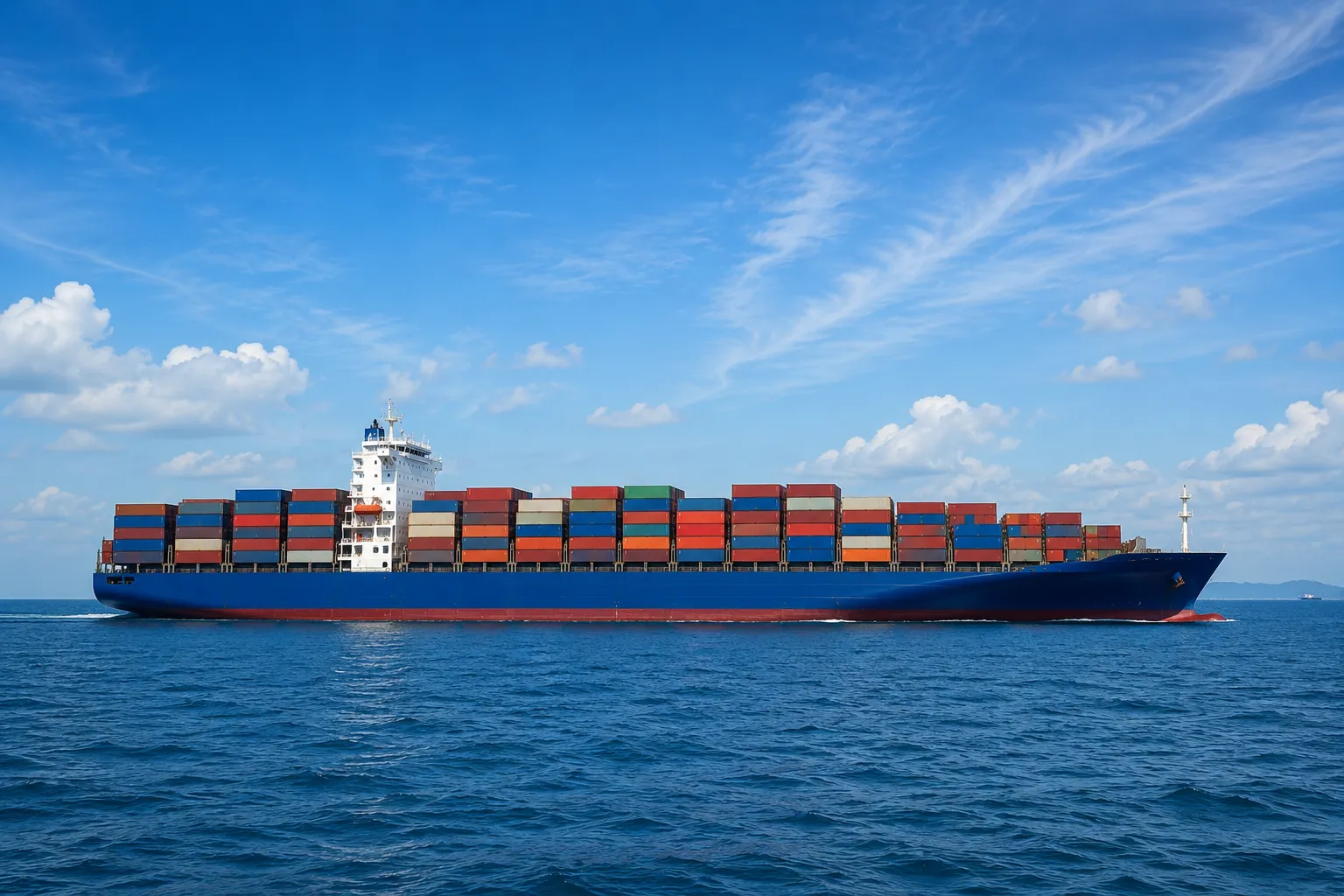
The practical route for larger shipments.
For larger, heavier or less time-sensitive cargo, sea freight can offer an efficient way to move goods internationally. TCSL helps businesses plan ocean shipments around cargo volume, destination and shipping requirements.
TCSL scopes the movement with the Incoterm, cargo-ready date, packing list and delivery responsibility in view. We explain what is included, what is payable elsewhere and which dates are estimates before the booking proceeds.
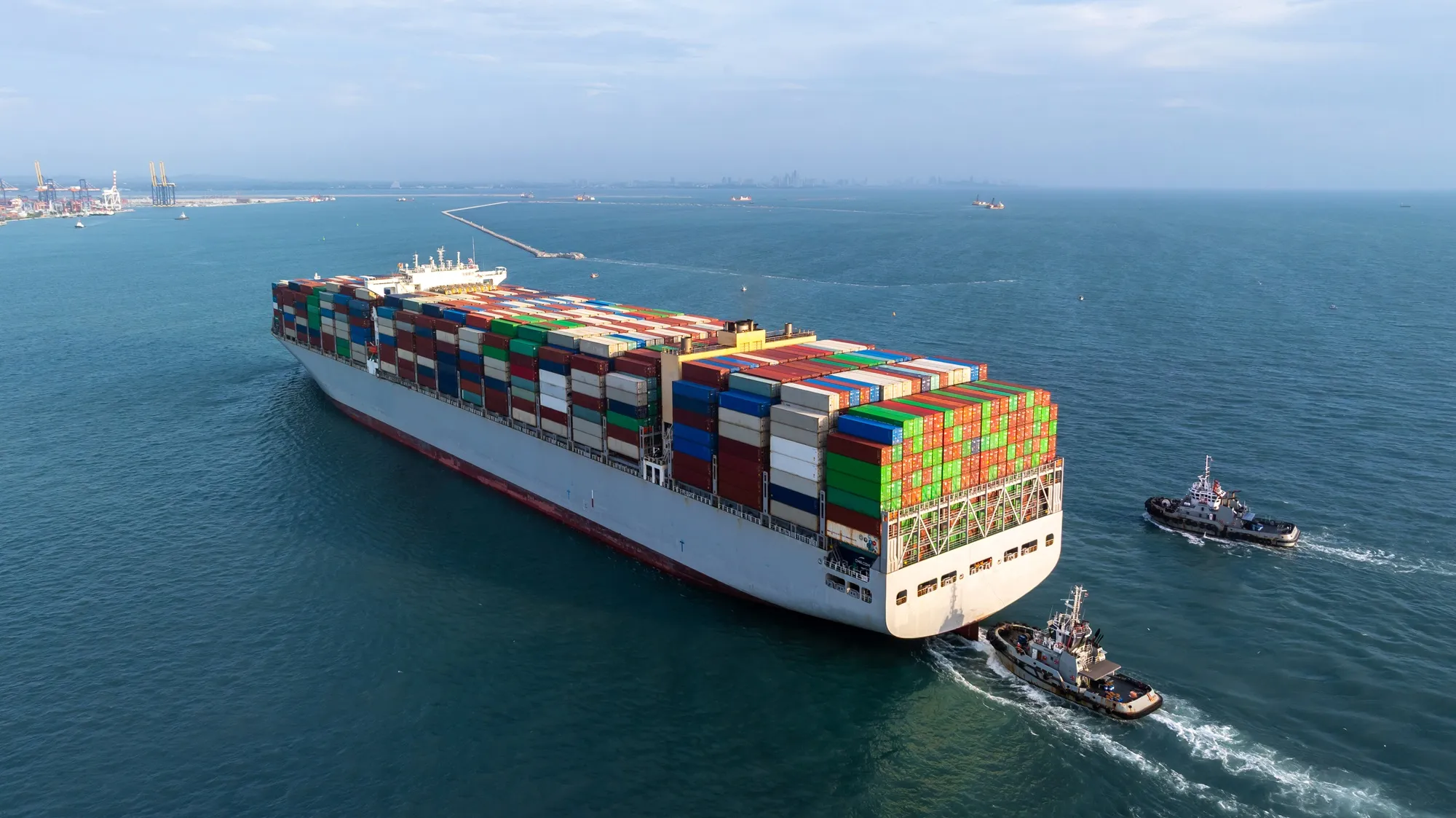
Choose the shipping option that fits
Frequently asked questions
When should I choose sea freight?
Sea freight is generally suitable for larger, heavier or less time-sensitive commercial shipments. It can be a practical choice when shipment volume is significant and the delivery timeline allows for ocean transportation.
What types of cargo are suitable for sea freight?
Sea freight is commonly used for commercial cargo, larger shipments, heavier goods and regular import or export consignments. The suitability depends on the cargo, volume, destination and shipping requirements.
What is the difference between full container and consolidated cargo?
Full Container Load (FCL) uses dedicated container space for a shipment, making it suitable for larger volumes. Consolidated or shared-container cargo combines shipments from different customers within available container space and can be suitable for smaller commercial consignments.
Can TCSL handle import and export shipments?
Yes. TCSL provides international sea freight solutions for commercial import and export shipments. We can help coordinate the movement based on your cargo, origin, destination and shipping requirements.
How are sea freight charges calculated?
Sea freight costs depend on factors such as cargo volume or container requirements, origin, destination, shipping arrangement, cargo type and applicable handling or logistics charges. Share your cargo details with TCSL for a shipment-specific quotation.
How long does sea freight take?
Sea freight transit time varies depending on the origin, destination, routing, shipping schedule and operational conditions. Since different routes have different transit times, TCSL can provide a more relevant estimate after reviewing your shipment details.
Can I track my sea freight shipment?
Yes. Applicable sea freight shipments can be monitored through available shipment tracking and status updates. TCSL helps provide visibility into the movement of your cargo through the international logistics network.
What documents are required for sea freight?
The required documentation depends on the cargo, origin, destination and nature of the import or export. Commercial shipments may require invoices, packing information, transport documents and applicable customs or regulatory documentation.

Planning a Sea Freight Shipment?
Share your packing list, cubic volume, cargo-ready date and port pair so we can compare FCL or LCL around suitable sailing schedules.