The journey begins with shipment data
Before a parcel or pallet moves, the logistics team needs a usable description of the job: collection and delivery locations, contents, value, packed weight and dimensions, required date and whether the movement is personal, a sample or a commercial sale. These details determine serviceability, documentation, vehicle choice and whether the goods need special approval.
After a route is agreed, labels and supporting documents are prepared. A courier parcel may need an airway bill and invoice; commercial freight may also need a packing list, customs instructions and product-specific records. Good data at this point prevents the physical shipment from arriving at a facility without the information needed to process it.
Pickup is the first physical hand-off
The driver records collection and moves the goods to a local branch, gateway or freight facility. That first vehicle is rarely the one that reaches the destination. Parcels are scanned, sorted by route and consolidated. Freight may be checked against the booking, weighed, measured and prepared for terminal delivery.
- Labels must remain visible and attached to a strong outer surface.
- Packaging must tolerate conveyor movement, forklift handling or stacking as applicable.
- Declared dimensions should match the finished package presented to the carrier.
Security and export processing happen before loading
International cargo is subject to security controls and carrier acceptance rules. Air shipments may be screened and checked for dangerous goods, batteries or other restricted contents. Export customs information is filed or presented through the appointed broker. If descriptions, values or documents conflict, the shipment can stop before reaching the planned flight.
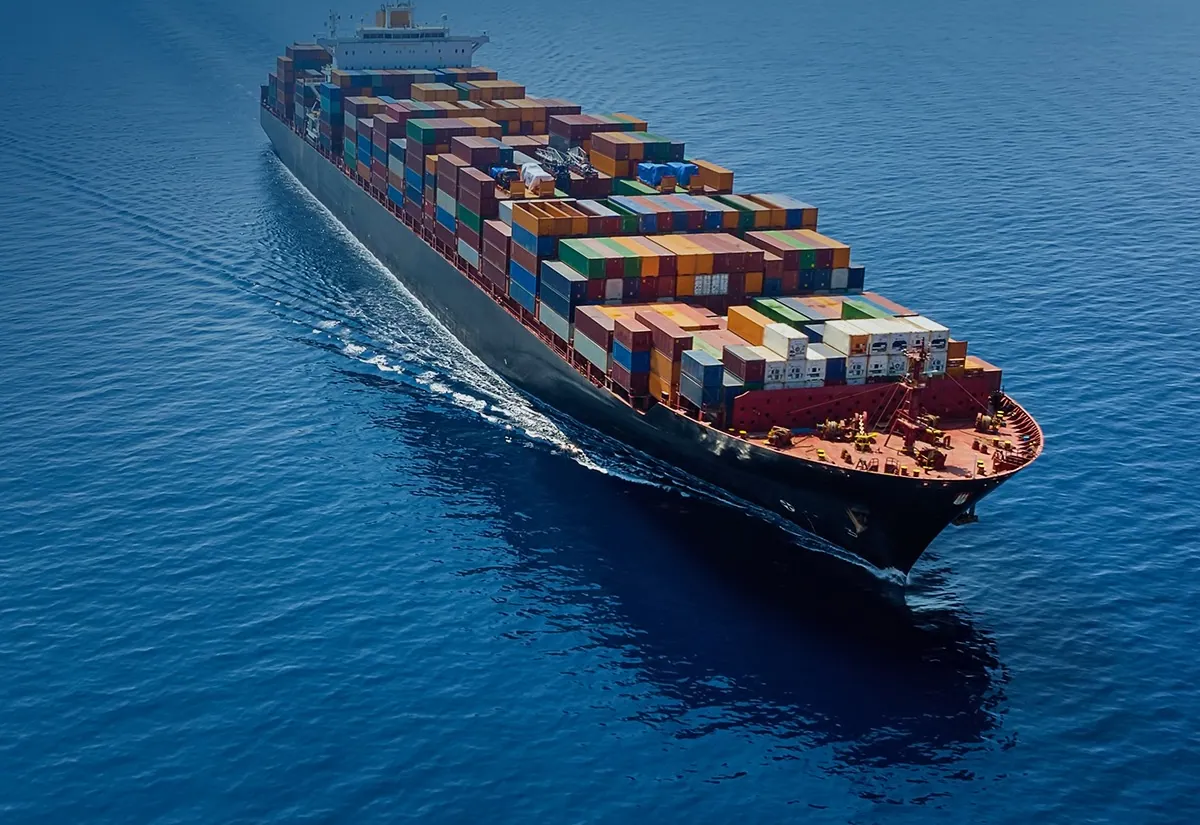
For sea freight, loose cartons may first enter a consolidation warehouse. LCL cargo is grouped with compatible shipments and packed into a shared container. FCL cargo is stuffed and sealed according to the agreed plan. Port cut-offs, verified gross mass and shipping instructions must align with the selected sailing.
The cargo hold is one milestone, not the finish
Once accepted, air cargo is built into units and moved airside for loading; sea containers move through the port stack and onto the vessel. Departure updates are valuable, but schedules can change because of capacity, weather, transshipment or operational decisions.
At destination the process runs in reverse: arrival handling, import customs, deconsolidation where needed, transfer to a delivery network and final-mile hand-off. The consignee may need to provide documents or pay assessed charges before release. TCSL coordinates the agreed milestones and explains which partner controls each step, giving customers one informed contact from Kerala even though the shipment passes through many hands.