Begin with the business deadline
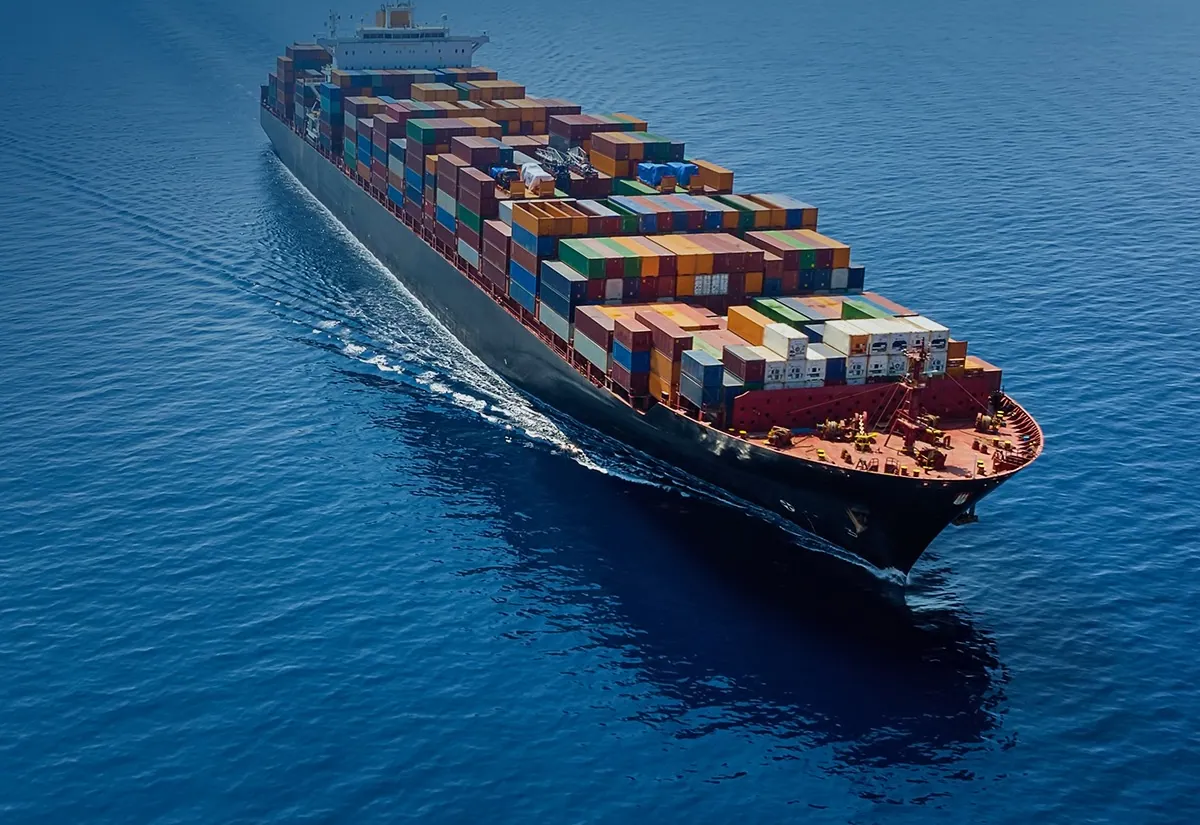
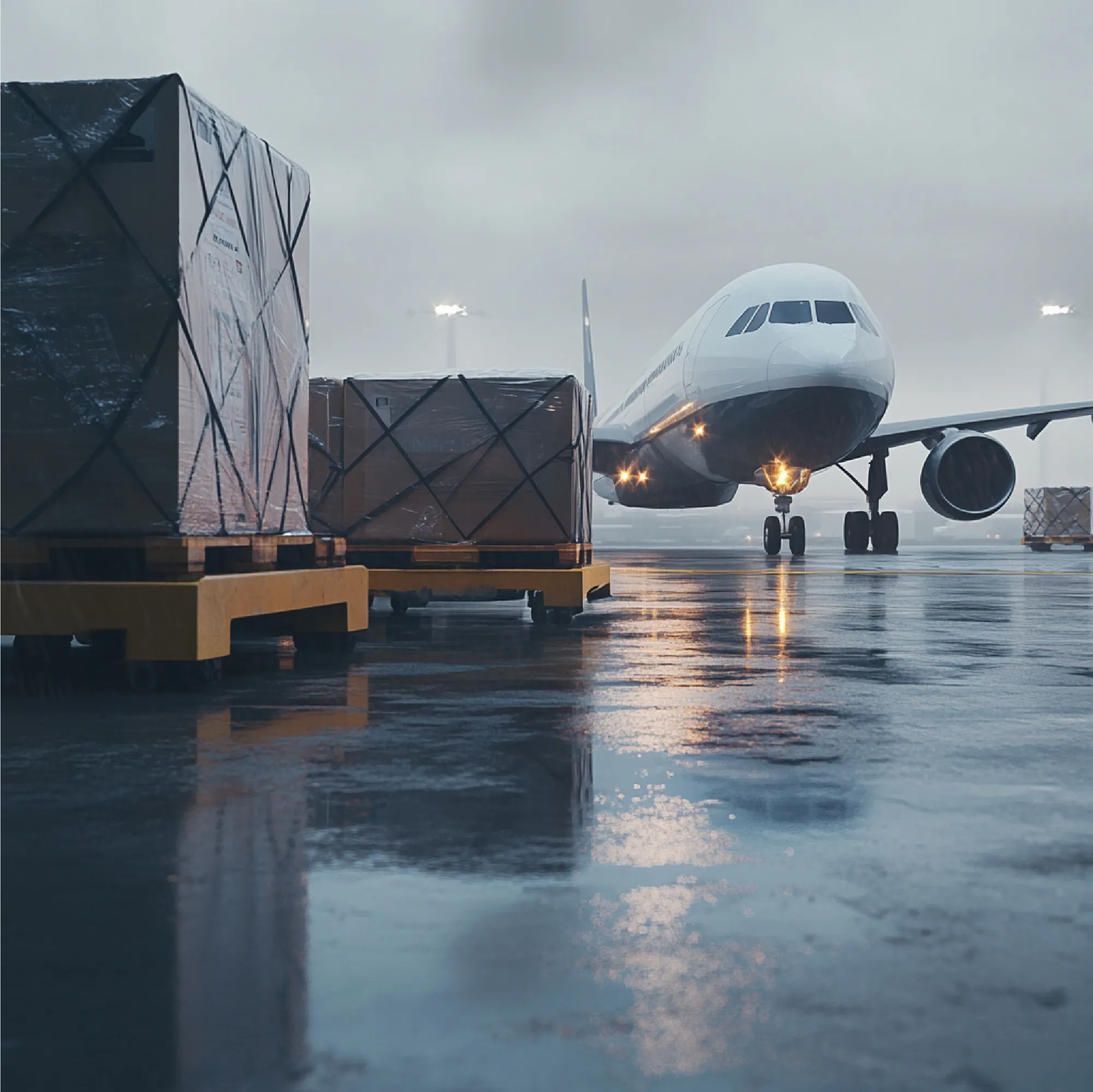
Air freight is normally chosen when a late arrival would cost more than the transport saving offered by sea. Production components, launch samples, urgent replenishment and high-value goods can justify faster movement. Sea freight suits planned inventory, larger volumes and cargo whose delivery window can absorb longer transit and port processes.
Do not compare only an advertised flight time with a vessel transit. Include collection, export processing, terminal cut-offs, consolidation, import clearance and final delivery. A realistic door-to-door plan is more useful than the shortest line-haul number.
Understand how size changes the calculation
Air capacity is limited and pricing commonly uses the greater applicable actual or volumetric weight. Large, light cartons can therefore become expensive even when the scale weight is modest. Sea freight gives shippers access to container volume, but LCL shipments can attract origin and destination handling charges that matter greatly for small consignments.
- Provide final packed dimensions for every piece, not estimates from the product drawing.
- State whether pallets can be stacked and whether any piece is oversized or difficult to handle.
- Compare LCL, FCL, courier and air freight when the shipment sits near a practical crossover point.
Consider handling, risk and product needs
Air usually means a shorter exposure window, but still involves collection, terminal and delivery handling. Sea cargo spends longer in a container and may face humidity, condensation and pressure from stacking. Robust export packing is essential in either mode, with stronger moisture protection often needed at sea.
Commodity rules can decide the mode. Batteries, dangerous goods, liquids, perishables and temperature-sensitive products require early review. Some goods need carrier approval, special documentation or packaging; others may not be accepted on a preferred route at all. Cargo value should also prompt a discussion about appropriate insurance because carrier liability is limited.
Compare the total logistics scope
Ask each quotation to show what is included: pickup, origin handling, documentation, freight, destination handling, customs coordination and delivery. Duties and taxes usually remain separate unless expressly stated. Also compare rate validity, schedule frequency and the cost of delay or stock-out.
Many businesses use both modes rather than choosing one permanently. A new product launch may travel by air while regular replenishment moves by sea; urgent cartons can be separated from the main order. TCSL reviews the cargo, deadline and commercial responsibility to build a mode recommendation around the shipment rather than forcing every requirement into the same route.